
Table of Contents
ToggleFire suppression systems are a crucial aspect of fire safety in buildings and industrial settings. They play a pivotal role in swiftly controlling and extinguishing fires before they can cause significant damage or harm. These systems are designed to detect fires, suppress them, and protect lives and property. Let us explore some of the most common types of fire suppression systems used today.
Water-Based Fire Suppression Systems
Water-based fire suppression systems are among the most traditional and widely used systems. They are effective for suppressing fires involving ordinary combustibles (Class A fires), such as wood, paper, and cloth. The two main types of water-based systems are:
Sprinkler Systems
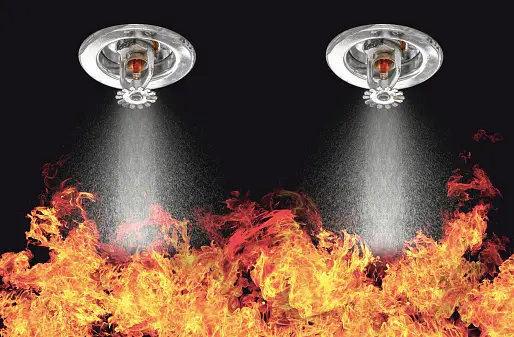
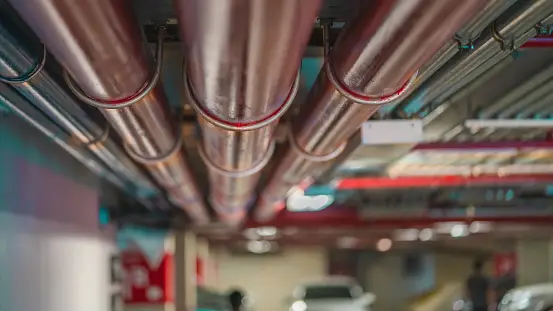
Sprinkler systems consist of a network of pipes with heat-sensitive sprinkler heads. When a fire reaches a certain temperature, the sprinkler head activates, releasing water to suppress the fire. There are various types of sprinkler systems, including wet, dry, pre-action, and deluge systems, each designed for specific applications.
Fire Hydrants
Fire hydrants are typically installed outside buildings and are connected to the municipal water supply. They provide a reliable source of water for firefighting teams.

Gas-Based Fire Suppression Systems
Gas-based fire suppression systems are designed to extinguish fires by reducing the oxygen level in the protected area. They are particularly useful in environments where water may damage sensitive equipment or where water-based systems are impractical. Common gas-based systems include:
Halon Systems
Halon gas was once widely used but has been phased out due to environmental concerns. It effectively suppresses fires by interrupting the chemical reaction required for combustion.
Inert Gas Systems
Inert gases, such as nitrogen and argon, are used to displace oxygen in the protected area, lowering the oxygen concentration below the level required to sustain combustion.
CO2 (Carbon Dioxide) Systems
CO2 is a clean agent that quickly reduces the oxygen concentration in a fire-affected area. It is commonly used in server rooms and electrical substations.
Foam-Based Fire Suppression Systems
Foam-based fire suppression systems are ideal for fires involving flammable liquids (Class B fires) and are commonly found in industrial settings. There are two primary types of foam systems:
AFFF (Aqueous Film-Forming Foam) Systems
AFFF forms a layer on the surface of flammable liquids, preventing the release of flammable vapors and suppressing the fire.
High-Expansion Foam Systems
High-expansion foam is used in confined spaces and can rapidly fill an area with foam to smother the fire.
Dry Chemical Fire Suppression Systems
Dry chemical systems are effective for fires involving flammable metals (Class D fires) and are commonly found in laboratories and industrial facilities working with reactive metals. These systems use specialized dry chemicals to suppress fires by inhibiting the chemical reaction.
Fire suppression systems are a critical component of fire safety measures in various environments, from residential buildings to industrial facilities. Each type of system has its strengths and weaknesses, making it suitable for specific fire risks. Properly designed, installed, and maintained fire suppression systems can significantly reduce the potential damage caused by fires and, most importantly, save lives. It’s essential for property owners and facility managers to understand the unique needs of their spaces and choose the appropriate fire suppression system to ensure optimal fire protection.