
Table of Contents
ToggleIn the battle against fire-related disasters, sprinkler fire suppression systems have emerged as one of the most effective tools to safeguard lives and property. These ingenious systems, first introduced in the 19th century, have evolved over time and become a cornerstone of fire safety measures in buildings and structures worldwide.
How Sprinkler Fire Suppression Works
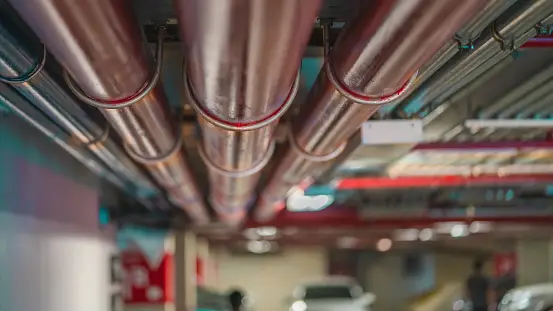
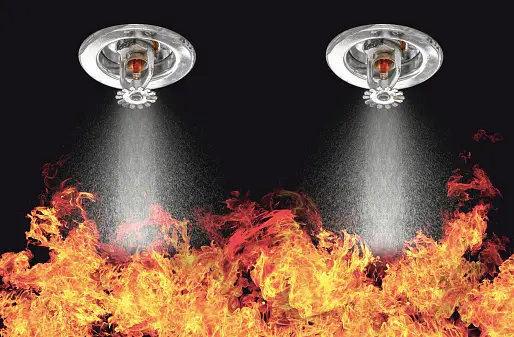
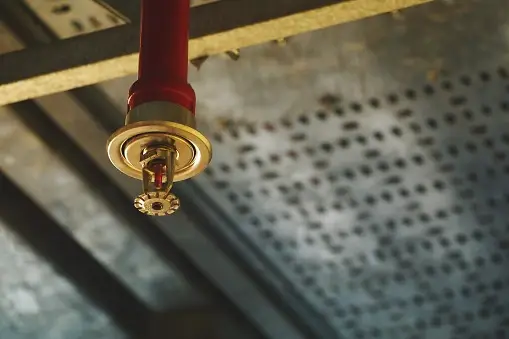
Sprinkler fire suppression systems operate on a simple yet ingenious principle. Comprising a network of pipes, sprinklers, and valves, these systems are designed to automatically detect and extinguish fires when they are still in their incipient stage. When the ambient temperature reaches a specific threshold due to a fire’s heat, the sprinkler heads closest to the fire activate individually, releasing water directly onto the flames or nearby surfaces. The rapid response and localized action of sprinkler heads can significantly limit the spread of fire and buy time for occupants to evacuate safely.
Types of Sprinkler Systems
There are various types of sprinkler fire suppression systems, each tailored to suit specific environments and potential fire risks. Some common types include:
- Wet Pipe Systems: These are the most widely used and simple sprinkler systems. Water is constantly present in the pipes, ready to be discharged when a sprinkler head is activated.
- Dry Pipe Systems: Ideal for areas susceptible to freezing temperatures, dry pipe systems contain pressurized air or nitrogen in the pipes. When a sprinkler head is activated, the air is released, and water fills the pipes and discharges onto the fire.
- Pre-Action Systems: Pre-action systems combine aspects of both wet and dry pipe systems. The sprinkler heads require an additional triggering event, such as a smoke alarm or heat detection, before water is released into the pipes.
Advantages of Sprinkler Fire Suppression
- Fire Suppression: The primary advantage of sprinkler systems is their ability to extinguish fires rapidly. This proactive approach can minimize fire damage and reduce the risk of injuries or fatalities.
- Property Protection: By quickly controlling the spread of fire, sprinkler systems can prevent extensive property damage, thereby reducing repair and reconstruction costs.
- Occupant Safety: Sprinklers create a safer environment for occupants, giving them more time to evacuate and minimizing exposure to harmful smoke and flames.
- Sustainability: Sprinkler systems use water efficiently, releasing only the necessary amount to combat the fire, which makes them eco-friendly compared to other fire suppression methods.
Sprinkler fire suppression systems have proven their effectiveness time and again, saving lives and protecting properties from the destructive force of fires. As technology continues to advance, these systems will only become more efficient and reliable, bolstering our ability to combat fires and create safer environments for everyone. Whether in homes, businesses, or public spaces, installing a sprinkler system is a smart choice that can make a crucial difference in fire safety.