Self-Contained Security Devices: Empowering Robust Protection in 2025
In today’s increasingly digital and interconnected world, security is no longer a luxury—it’s a necessity. While enterprise-level systems often require complex configurations and costly integrations, self-contained security devices offer a streamlined alternative. Let’s discuss.
What are Self-Contained Security Devices?
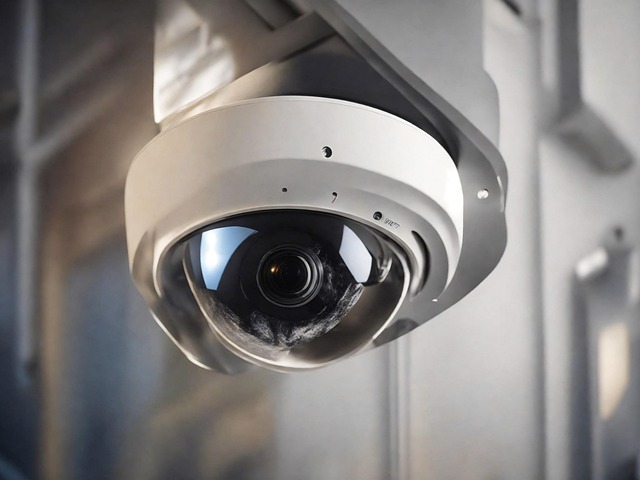
These are devices that operate independently without the need for a constant connection to a central node for basic functionality. They contain all the necessary intelligence, data storage, and processing power onboard to perform their designated security tasks. They do not need external infrastructure to operate, making them ideal for remote locations, temporary setups, and scalable security needs.
Key Features of Self-Contained Security Devices
- Standalone Operation: They operate independently and therefore do not need external connections for them to operate.
- Local Storage Capacity: They possess significant memory to store crucial data directly on the device itself. It can make use of embedded Multimedia Cards (eMMC), Secure Digital (SD) Cards or even Solid-State Drives (SSD) to store this data. This minimises the need for continuously streaming sensitive data to a central server, enhancing privacy.
- Remote Monitoring: Enables users to make use of live feeds and alerts via mobile apps and web platforms. This ensures you get accurate information remotely, regardless of where you are, from your mobile phone or personal computer.
- Advanced Sensory Technology: Makes use of sensors such as motion sensors, smoke sensors, proximity sensors, biometric sensors, and even GPS sensors to detect security events. This provides the sensory input essential for the standalone devices to respond to threats or access requests.
- Plug-and-Play Deployment: They are often preconfigured and user-friendly, allowing quick setup even by people with minimal technical expertise. They just require the user to plug in the system, or power up, for them to function.
- Cost-Effective: Their all-in-one nature reduces the expenses required to get extra infrastructure and labour that would be otherwise needed to install and maintain if the system were complex.
- Versatile: They are built to endure rain or dust with weatherproof ratings, thriving in diverse climates.
Examples of Self-Contained Security Devices
- Standalone CCTV Cameras: Operate independently with integrated storage (e.g., SD cards), power options like rechargeable batteries or solar panels, and wireless connectivity, connecting via Wi-Fi or 4G to a mobile app.
It is motion-triggered, so whenever there is movement within the vicinity, it starts recording. They are easy to install, portable, cost-effective, and have smart features like motion detection, night vision, and two-way audio.
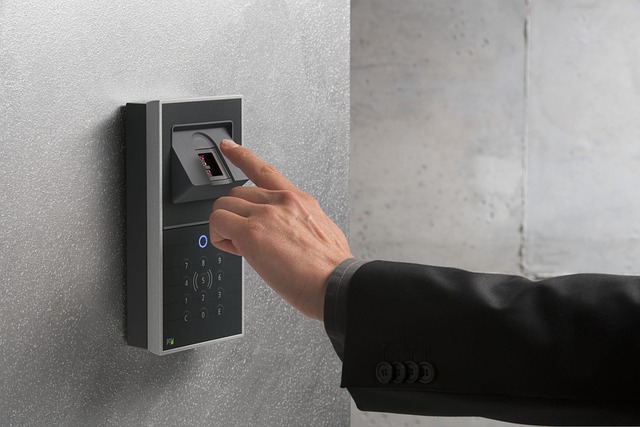
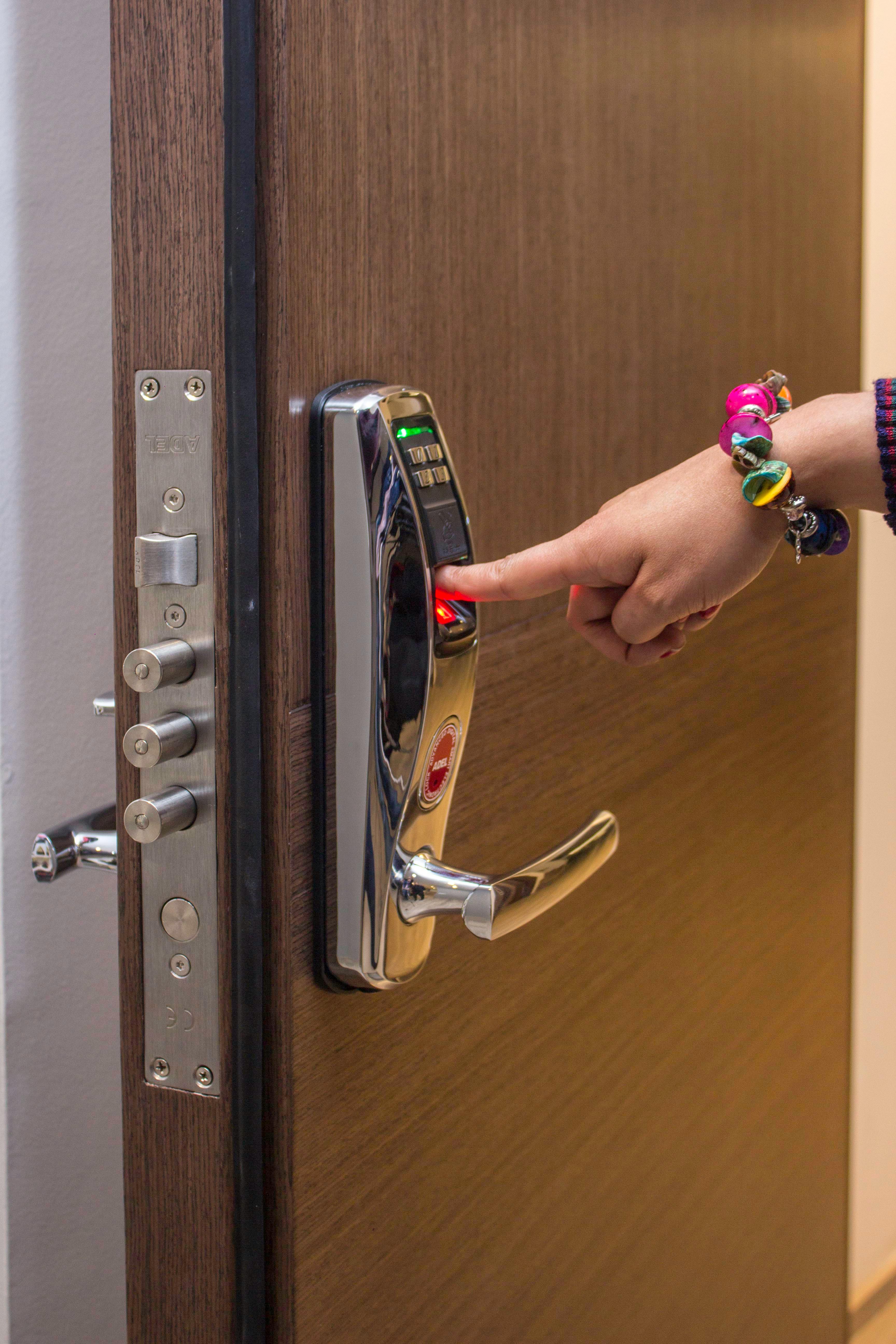
- Smart Access Control: This is a modern type of lock that blends biometric recognition technology and app control via Bluetooth or Wi-Fi, logging entry attempts locally. It uses fingerprint scanning to grant authorized individuals access, making it a more secure method than the use of traditional keys and PINs.
It is convenient as it solves the problems of lost keys or forgotten codes, is scalable and energy-efficient. This makes it especially useful to small businesses and remote facilities.
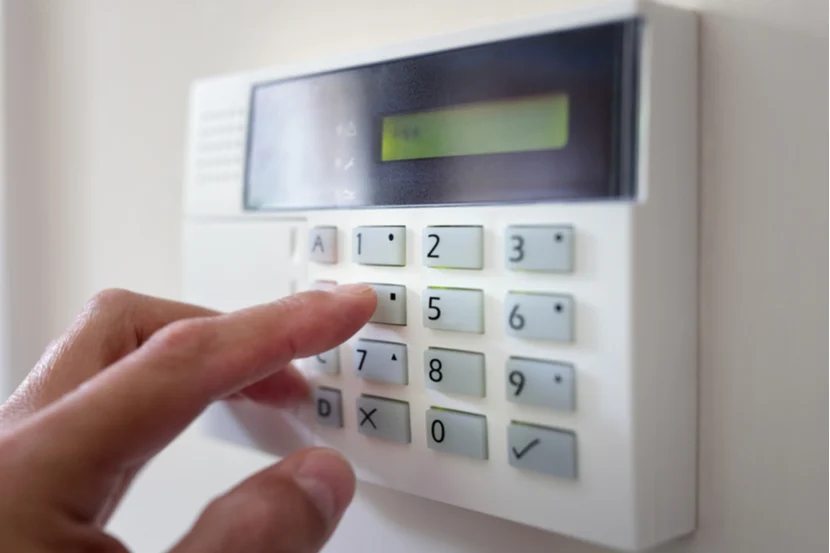
- Home Alarm Systems: This is a compact security system that detects intrusions, alerts occupants, and even notifies authorities, in real-time. They integrate sensors like contact and motion sensors, alarms/sirens, surveillance cameras, and wireless connections (Wi-Fi, cellular, or Bluetooth), all working hand-in-hand to protect the home, whether the owner is present or not. In case of an intrusion, the homeowner receives real-time notifications on their phones so as to take action on the situation at hand.
- Wearable Safety Devices: These are body-worn technologies equipped with sensors and connectivity features that monitor the wearer’s biometrics, environment, and location in real-time.
They integrate sensors such as heart rate sensors, skin temperature sensors, or electrocardiogram (ECG) sensors for biometrics, gas sensors, temperature sensors or noise sensors for the environment, GPS sensors, proximity sensors or accelerometers for location. These sensors work together to form a safety web, alerting users of risks before they escalate.
They are used by groups such as healthcare workers to track patients’ vital signs, by adventurers for location and SOS functionality, and even by the elderly for falls or irregular heartbeats, allowing caregivers to intervene quickly.
Why Should You Get a Self-Contained Security Device?
- Quick Setup: They do not require a complex setup for it to function. They are typically plug-and-play, which doesn’t require much technical expertise to set them up, saving time and money.
- All-in-One Nature: They do not rely on external infrastructure to operate. They house built-in power, processing, and storage, eliminating the need for external hubs and wiring. This saves costs and is ideal for remote and rural areas, where grid reliability is inconsistent.
- Better Privacy, More Control: They often process sensitive data directly on the device itself, reducing dependency on potentially vulnerable cloud servers or third-party monitoring. Data-in-transit is minimized, reducing interception risks and therefore significantly enhancing user privacy.
- Cost-Effectiveness: While the initial costs may seem higher than basic systems, the lack of fees for external hardware or recurring subscriptions reduces the expenses over time. This provides affordable protection for budget-conscious users.
- Faster Response: When security decisions are made locally on the device, there’s no latency introduced by sending data to a remote server and waiting for a response. This is especially important where milliseconds matter. This leads to quicker, more decisive actions.
Final Thoughts.
Your safety shouldn’t depend on complicated setups or constant Internet. You deserve security that works quietly in the background so you can focus on living. A self-contained security device doesn’t just protect your space but also your mind.
Simple. Smart. Always ready. Isn’t that what real security should feel like?
Want to read more? Click here.