


Laser Is the Sauce: Unlocking the Power of LiDAR Security
In an age where precision and real-time awareness are critical, LiDAR (Light Detection and Ranging) is redefining what’s possible in the security industry. Once associated with self-driving cars and topographical mapping, this powerful laser-based technology is now making serious moves into perimeter defense, intruder detection, and smart surveillance.
What is LiDAR?
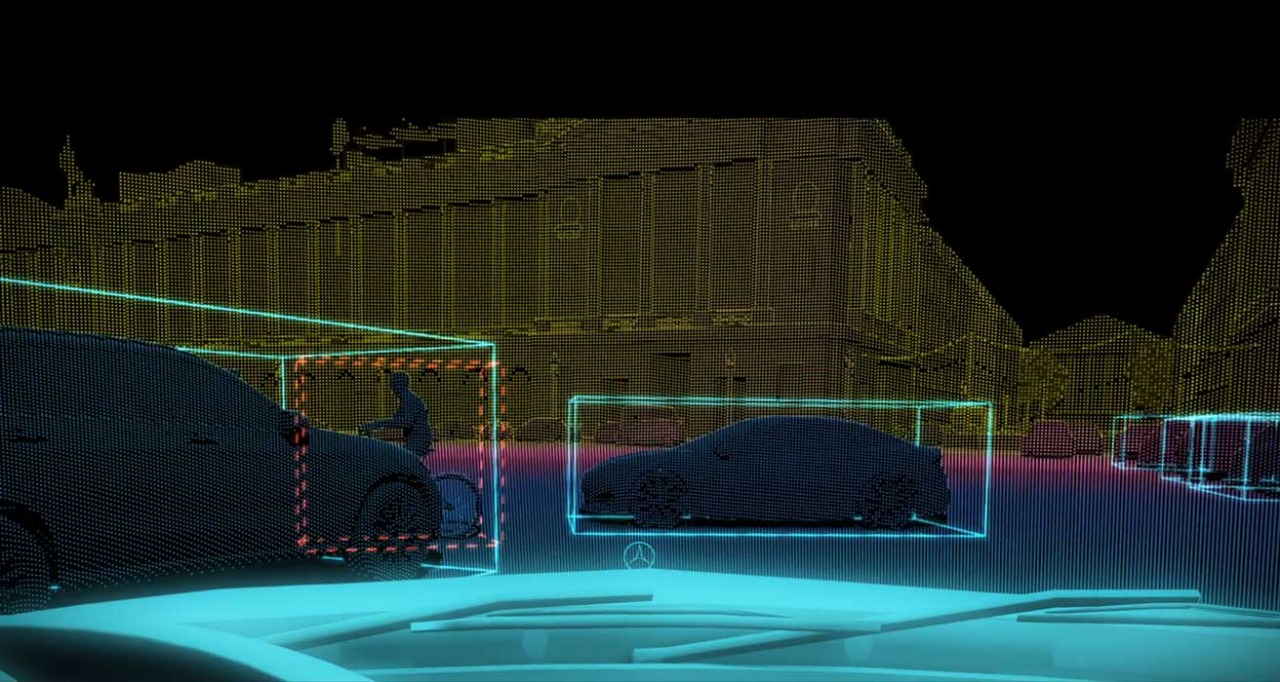
LiDAR is a remote sensing method that emits eye-safe laser pulses to measure distances, generating detailed 3D data about objects and spaces. These lasers, moving at the speed of light, have the time taken to hit the object and bounce back measured, which determines the distance between the sensor and the object.
By doing this millions of times per second, a LiDAR sensor creates a highly detailed, 3D point cloud map of its environment. This point cloud map is a collection of individual data points on a 3D space, with each point representing a precise location on the surface of an object or environment, giving the system a true 3D spatial understanding. It is very accurate, with up to centimeter-level accuracy (Error margin of a few centimetres), which is more accurate than the regular GPS, which has about a 5-10 metre error margin under normal conditions.
How Does LiDAR Integrate with Security Systems?
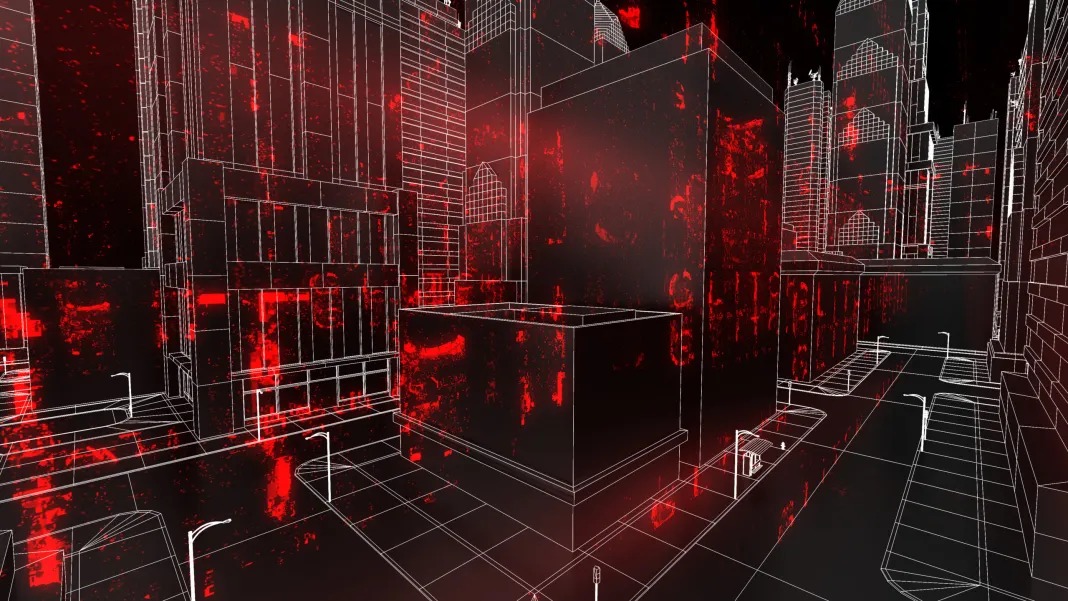
LiDAR leverages its 3D mapping capabilities to enhance security in the following ways:
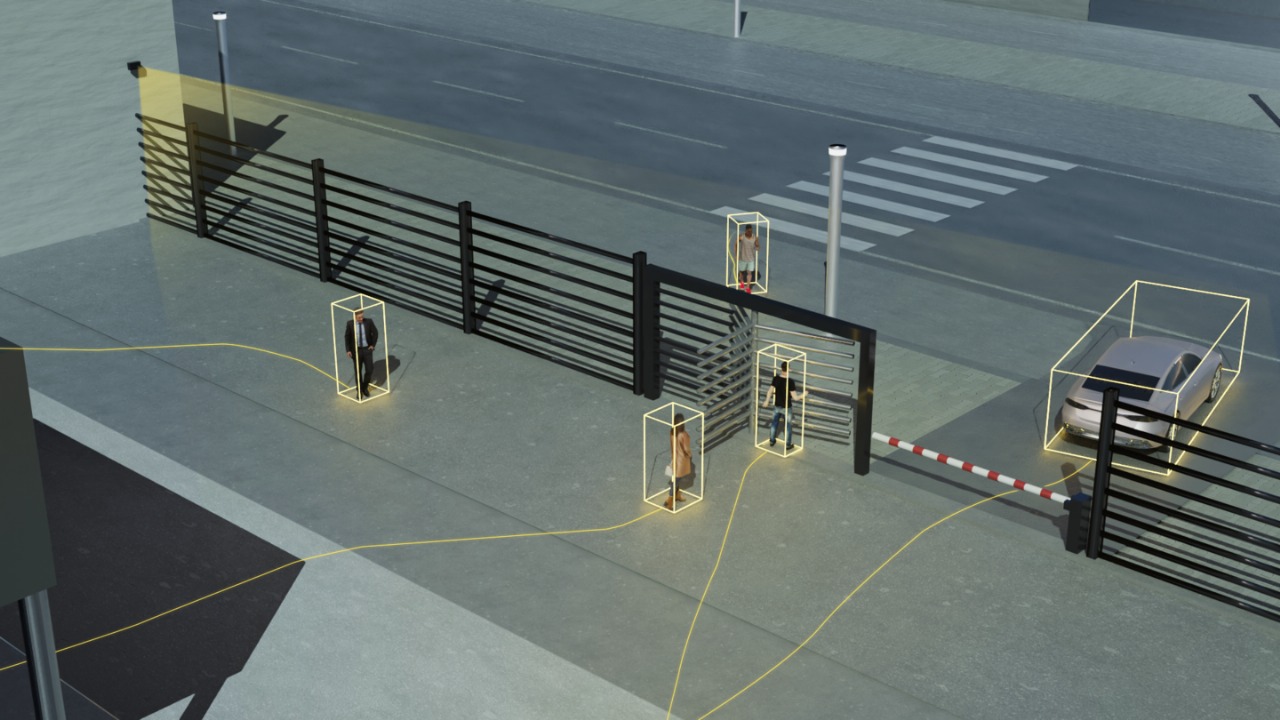
- Perimeter Intrusion Detection (PID): LiDAR sensors can create virtual fences around a property. When an object or person crosses into a restricted area, the system triggers alerts with pinpoint accuracy, capable of differentiating precise movement direction and speed, which significantly enhances detection reliability and perimeter protection.
- Integration with Cameras and Video Management Systems (VMS): LiDAR can be paired with PTZ (Pan-Tilt-Zoom) cameras and VMS to automatically cue a camera to zoom in on the exact location of an object’s movement. This improves accuracy, even in low-visibility conditions.
- Real-Time Object Tracking: LiDAR can continuously track an object’s position, size, and speed, which can be beneficial in determining whether the object is a person, vehicle, or even animal. This helps reduce false alarms and improve situational awareness.
- Drone and Mobile Integration: Drones or rovers can be equipped with LiDAR when scanning large inaccessible areas, transmitting 3D maps to a security operations centre. This extends coverage that a security system can have in remote areas.
What are the benefits of Using LiDAR-Integrated Security Systems?
- High Accuracy: LiDAR systems are highly accurate, providing centimeter-level accuracy in mapping objects, distinguishing between humans, vehicles, and animals based on size, speed, and shape. This reduces false alarms, improving response efficiency.
- All-Weather Performance: Unlike cameras that rely on visible light to operate, LiDAR uses laser pulses, making it effective in total darkness, foggy areas, rainy and dusty environments. This ensures continuous security, guarding perimeters 24/7.
- Wide Area Coverage: A single LiDAR unit can monitor up to 300 meters or more, covering very large perimeters. This minimizes the number of devices needed, saving costs in very large areas.
- Real-Time Threat Response: LiDAR enables instant detection and tracking of intruders, delivering instant alerts to the VMS in milliseconds, enabling rapid reactions to intrusions.
- Enhanced Privacy Protection: LiDAR captures anonymized 3D point clouds instead of images or video, avoiding identifiable data collection. This adheres to the rules set by local laws, such as the Data Protection Act (2019), which mandates that any personal data collection, including spatial and behavioural tracking, must be lawful, transparent, and secure.
What is Needed to Install a LiDAR-based Security System?
Installing a LiDAR-based security system is not as easy as just mounting a camera. It requires careful planning and specialised expertise to ensure optimal performance and reliable security coverage. Here is what you should consider:
- LiDAR Sensors: Choose sensors based on range (80-150 metres range for medium-sized residential estates, 200-300 metres range for warehouse perimeters), resolution, and field-of-view (Not too narrow, as there will be blind spots, and not too wide, as the resolution will be lower. Take note of horizontal and vertical fields-of-view when selecting).
- Mounting Hardware: Get infrastructure such as poles, brackets or drone frames to position LiDAR units at optimal heights. Ensure that it is stable for accurate readings.
- Power & Connectivity: A reliable power source such as solar panels with batteries for off-grid sites, or Power-Over-Ethernet (PoE) injectors for wired setups is ideal. For connectivity, you can use Ethernet cables, Wi-Fi routers, or 4G/5G modems. This helps you get all the data you need taken by the LiDAR systems.
- Security Software Platform: The software platform acts as the brains behind the sensors. It interprets raw data, makes sense of the movement, and triggers the appropriate responses required. You can link it to existing software such as Video Management Systems (VMS), access control and alarm panels for better functionality.
- Server: It’s like the infrastructure backbone that enables the entire system to function cohesively. It runs analytics software that interprets point cloud data in real time, provides the CPU and GPU resources required to handle this, stores analysed information and even acts as a communication bridge between all the different parts of the security system. When buying the server, consider its processing power, storage capacity, uptime, security, scalability and compatibility with the other components of this security system.
Final Thoughts
As threats become smarter and more unpredictable, so too must the systems that guard against them. LiDAR-based solutions represent a leap into the future—not just in security, but in vehicle automation, robotics, and beyond. With precision, vision, and autonomy operating at the speed of light, it’s no wonder former Uber CEO Travis Kalanick famously declared, “Laser is the Sauce.”
Click here to read more.