

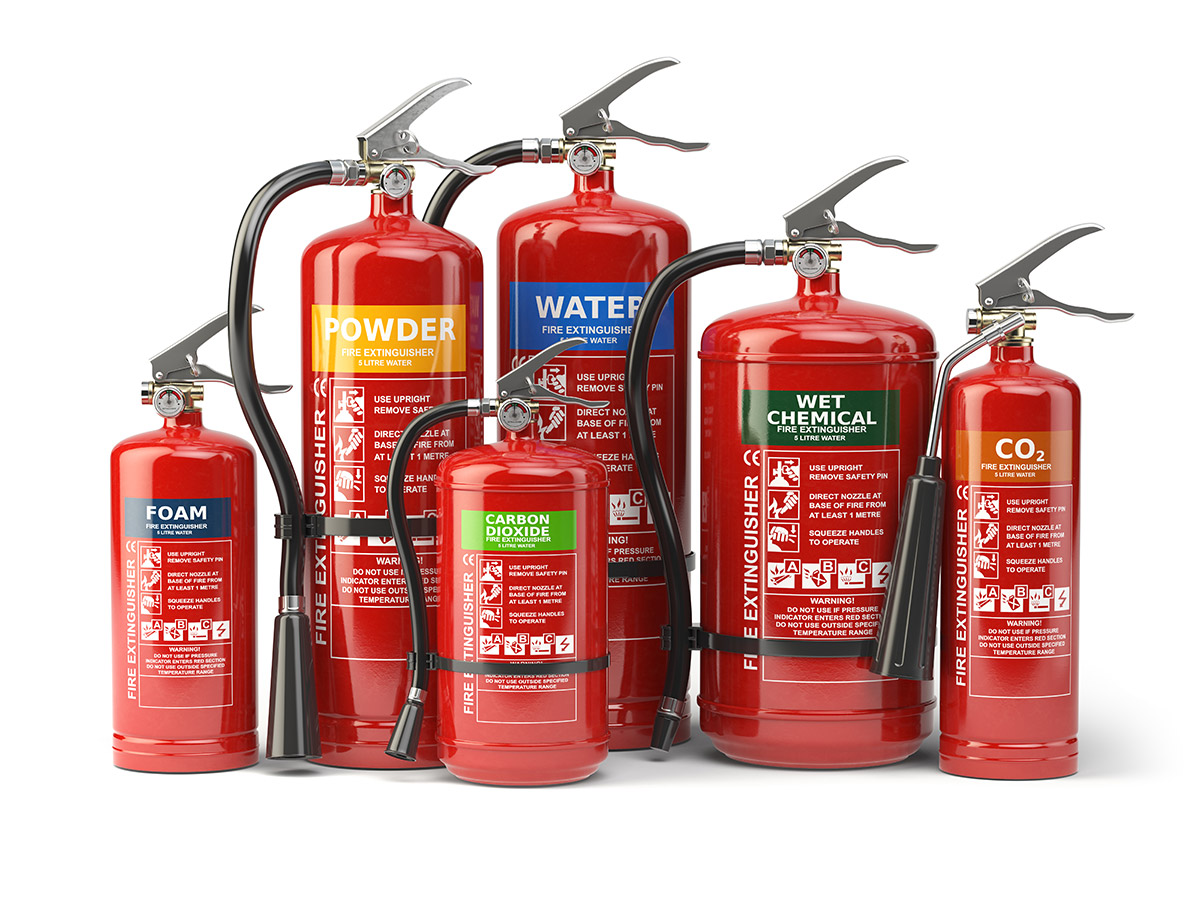

When faced with a fire emergency, a properly maintained fire extinguisher can be a lifesaver. In this blog post, we will provide you with essential information on fire extinguishers, their types, and how to choose the right one. Understanding these crucial details will help you be prepared and confident in your ability to tackle unexpected flames.
When it comes to fire extinguishers, clarity, and precision are of utmost importance. Let’s explore the key aspects you need to know:
Fire Classification: Fires are classified into different types based on the fuel source. It’s crucial to understand these classifications to select the appropriate fire extinguisher. The most common classes are:
Class A: Fires involving ordinary combustible materials like wood, paper, or fabric.
Class B: Fires fuelled by flammable liquids such as gasoline, oil, or alcohol.
Class C: Fires involving energized electrical equipment, like appliances or wiring.
Class D: Fires caused by combustible metals, such as magnesium or titanium.
Class K: Fires resulting from cooking oils and fats, typically found in kitchens.
Types of Fire Extinguishers: Fire extinguishers are designed to combat specific fire classes. Understanding the different types will ensure you have the right extinguisher on hand:
Water and Foam Extinguishers (Class A): These extinguishers are suitable for fires involving ordinary combustible materials. They cool the fire and create a barrier to prevent re-ignition.
Carbon Dioxide (CO2) Extinguishers (Class B and C): CO2 extinguishers suffocate the fire by displacing oxygen, making them effective for flammable liquid fires and electrical fires.
Dry Chemical Extinguishers (Class A, B, C): These versatile extinguishers use a fine powder to interrupt the chemical reaction of the fire, suitable for multiple fire classes.
Wet Chemical Extinguishers (Class K): Specifically designed for kitchen fires, wet chemical extinguishers form a cooling and smothering foam to tackle fires involving cooking oils and fats.
Class D Extinguishers: Class D extinguishers are specifically designed for fires involving combustible metals and use specific powders to extinguish these unique fires.
Maintenance and Inspection: Regular maintenance and inspection of fire extinguishers are vital to ensure their functionality. Check the pressure gauge, inspect for damage or corrosion, and make sure the pin and tamper seal are intact. Follow the manufacturer’s guidelines for maintenance and recharge requirements.
Placement and Accessibility: Proper placement of fire extinguishers can make a significant difference in response time during a fire emergency. Install extinguishers in easily accessible locations, ensuring they are visible, unobstructed, and within reach.
Fire Safety Training: While having a fire extinguisher is crucial, knowing how to use it effectively is equally important. Consider receiving fire safety training or familiarize yourself with the instructions provided by the manufacturer.
Conclusion:
Fire extinguishers are indispensable tools in fire prevention and control. By understanding the fire classifications, types of extinguishers, and maintenance procedures, you can confidently handle unexpected flames. Remember, prevention is key, so ensure you have smoke alarms, an evacuation plan, and fire-safe practices in place.
You can find these fire extinguishers at Informed Systems Limited.
For more info contact
0793000111 or send an email to info@informedsystemsltd@gmail.com or simply visit www.informedstore.co.ke. To get efficient fire extinguishers.
Stay prepared, and stay safe!

Keep functioning ,impressive job!